Construction materials costs are climbing at their fastest pace in nearly three years, driven by steep tariffs that are squeezing profit margins across the industry.
The producer price index for materials and services used in nonresidential construction rose 0.4 percent in November and 3.6 percent over the past 12 months, according to an analysis by the Associated General Contractors of America released last week. That increase represents the largest year-over-year rise since January 2023, the organization said.
While construction companies have raised their prices to keep up with the growing materials costs, they have not been able to fully cover the increased cost of supplies.
“Input costs for construction are rising faster than for producers or consumers in general, partly because the industry is faced with steep tariffs on many materials,” Ken Simonson, the AGC’s chief economist said in a statement published along with the report’s release. “Although many contractors are accelerating purchases and attempting to pass along cost increases, their bid prices have not kept up, rising only 2.7 percent in the past 12 months.”
For a sector that typically operates on thin margins, this disparity threatens the financial stability of projects and firms alike.
Since taking office, President Donald Trump has imposed and altered tariffs regularly. In just the last three months, the president has announced plans at least five times to impose new fees on products from a range of countries. None of these new tariffs has been imposed while the White House has, during that time period, actually removed other expected import duties. This kind of unpredictability has created additional difficulties for construction companies.
“The frequent increases and announcements about prospective tariffs have pushed up the cost of construction and made owners hesitant to commit to projects,” Jeffrey D. Shoaf, the chief executive officer of the Associated General Contractors of America, said in a statement published along with the report’s release. “Contractors and owners alike need more certainty and fewer price shocks from tariffs to assure a healthy construction market in 2026.”
How Tariffs Are Pushing Construction Material Costs Higher
The wide range of tariffs on building materials is a key driver of the rising input costs for the construction industry. These import duties have affected a wide range of supplies.
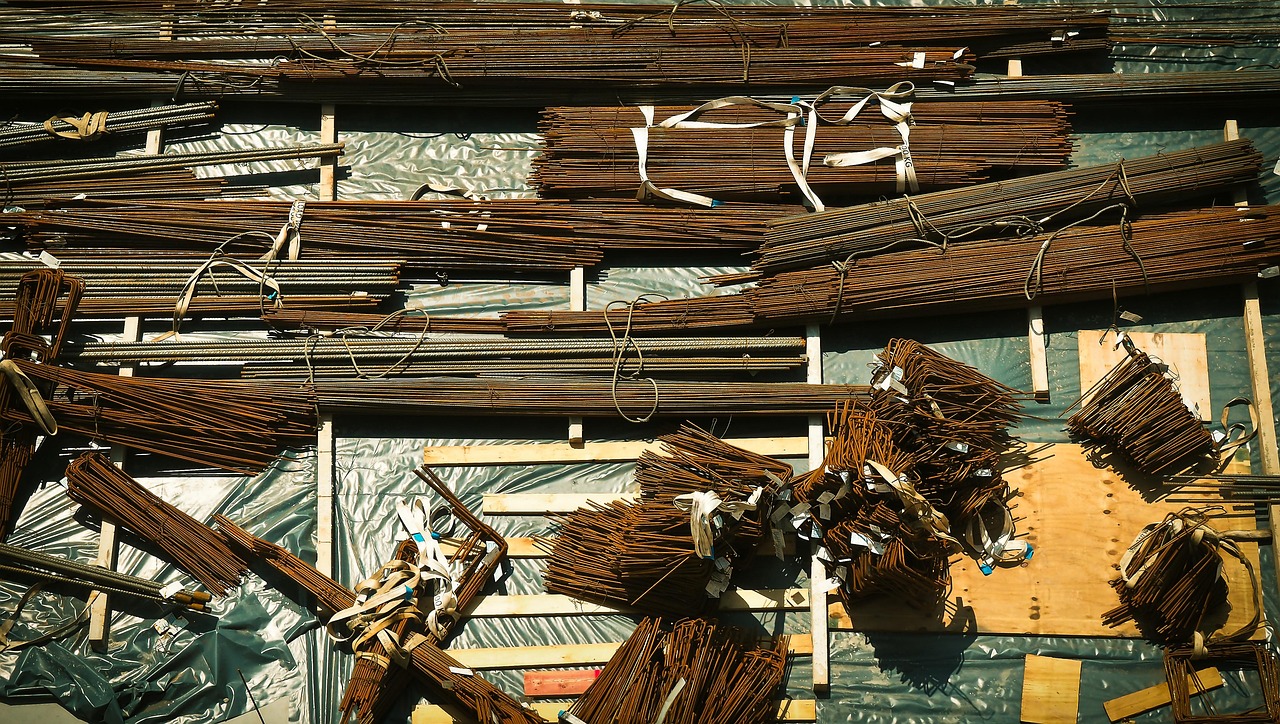
Aluminum mill shapes, which are subject to a 50 percent tariff, have seen prices soar 28 percent between November 2024 and November 2025. Some steel products critical to construction have also climbed sharply. The index for fabricated structural metal bar joints and rebar, which are vital materials for building foundations and structures, jumped 16.6 percent, according to the AGC’s report.
"Many tariff-affected materials, like derivative metal products and switchgear equipment, have experienced considerable price escalation in 2025," Anirban Basu, the chief economist for Associated Builders and Contractors, told Roofing Supply. "Prices for aluminum mill shapes and primary and secondary nonferrous metals are both up more than 25 percent over the past year."
Compounding the problem, tariffs on imported materials can also drive up prices for domestic equivalents. When tariffs reduce demand for imports, domestic suppliers can face increased demand—allowing them to raise prices as well. This means contractors cannot simply switch to American-made materials to avoid tariff costs; the entire market often shifts upward.
Losing money on payment processing? Switch to Nickel to see how unlimited free ACH can help your bottom line and save you thousands on payments each month.
Concerns About Broader Business Environment
The tariff impact on day-to-day operations has been substantial. A separate AGC survey released earlier in January found that just 24 percent of contractors said they had not been affected by tariffs, meaning more than three-quarters of the industry is actively grappling with tariff-related cost pressures. Forty percent of survey respondents said they had raised bid prices in response to actual or proposed tariffs. Thirty-five percent passed most or all tariff costs on to project owners, while 11 percent they absorbed the majority, or all, of the impact of tariffs.
The high cost of materials has contributed to concerns about the broader economic environment. A majority of contractors—53 percent—listed materials costs as one of their top concerns for the coming year. Even more troubling, 62 percent of survey respondents expressed concern about a potential economic slowdown or recession, while a variety of concerns about labor availability, quality, and cost also ranked high among respondents.
Earlier research has painted an even starker picture of how the tariffs are impacting businesses. In an April 2025 survey, approximately 80 percent of ABC contractors indicated that suppliers had notified them of tariff-related materials price increases, and almost 20 percent reported that projects had been paused or interrupted because of tariffs.
Beyond materials costs, the industry continues to face a severe shortage of skilled workers. According to ABC's proprietary workforce model, the construction industry needs to attract an estimated 349,000 net new workers in 2026 to meet demand for construction services.
"ABC's 2026 workforce shortage analysis shows a series of macrodynamics at play in the industry," Michael Bellaman, ABC president and CEO, said in a statement published online. "These include an aging and retiring workforce, immigration enforcement, high materials prices, tariffs, office vacancies and rapidly evolving technologies and innovation. Despite these challenges, the industry continues to face an urgent need for skilled workers to build and rebuild America's infrastructure."